Energy sharing community: how does it work?
Communauté de partage d'énergie : comment ça marche ?
What is an energy community?
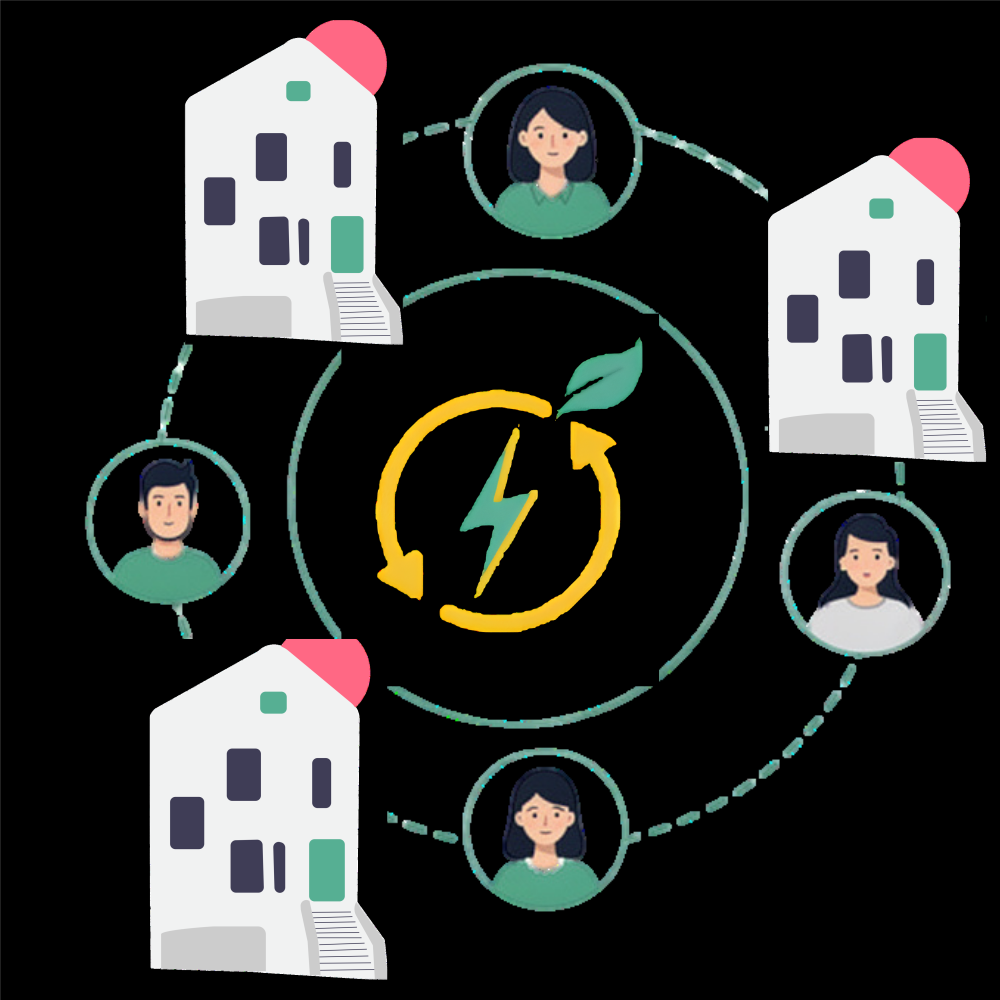
An energy community is a grouping of citizens, neighbors, businesses, or local authorities that produce, share, and consume together locally produced green electricity.
This model allows producers to better value their electricity and consumers to access green, local, and often less expensive energy, while promoting short energy circuits.
Introduced by the European directives on the electricity market and renewable energies - Directive (EU) 2019/944 (internal electricity market) and Directive (EU) 2018/2001 known as RED II (renewable energies) and then transposed into Belgian law, energy communities aim to accelerate the energy transition by enabling citizens and local stakeholders to become true participants in the energy system, while creating value for the benefit of the territory.
What is an energy community?
An energy community is a grouping of citizens, neighbors, businesses, or local authorities that produce, share, and consume together locally produced green electricity.
This model allows producers to better value their electricity and consumers to access green, local, and often less expensive energy, while promoting short energy circuits.
Introduites par les directives européennes sur le marché de l'électricité et les énergies renouvelables — Directive (UE) 2019/944 (marché intérieur de l'électricité) et Directive (UE) 2018/2001 dite RED II (énergies renouvelables) — puis transposées dans le droit belge, les communautés d'énergie ont pour objectif d'accélérer la transition énergétique en permettant aux citoyens et aux acteurs locaux de devenir de véritables acteurs du système énergétique, tout en créant de la valeur au bénéfice du territoire.
How does energy sharing work, concretely?
01
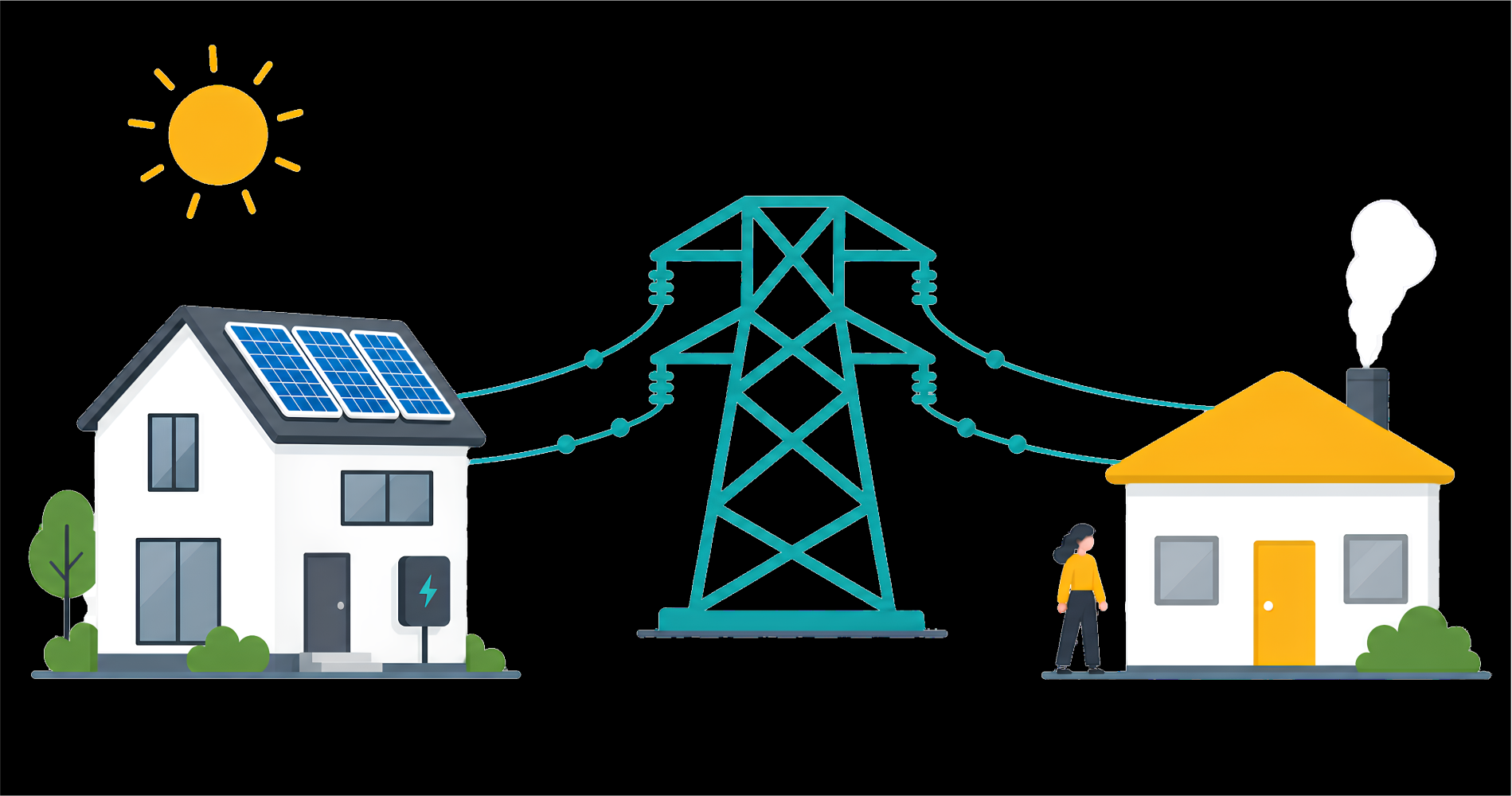
Members produce green electricity (often through photovoltaic panels).
02
The electricity they do not consume (their surplus) is shared with other members through the distribution network.
03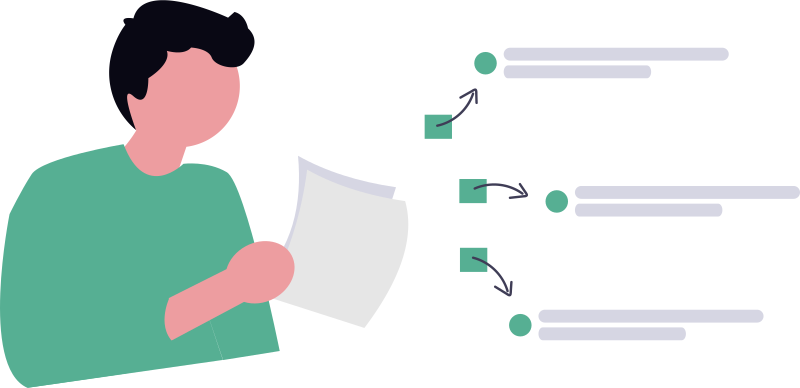
A distribution key assigns this energy to the consumers of the community.
04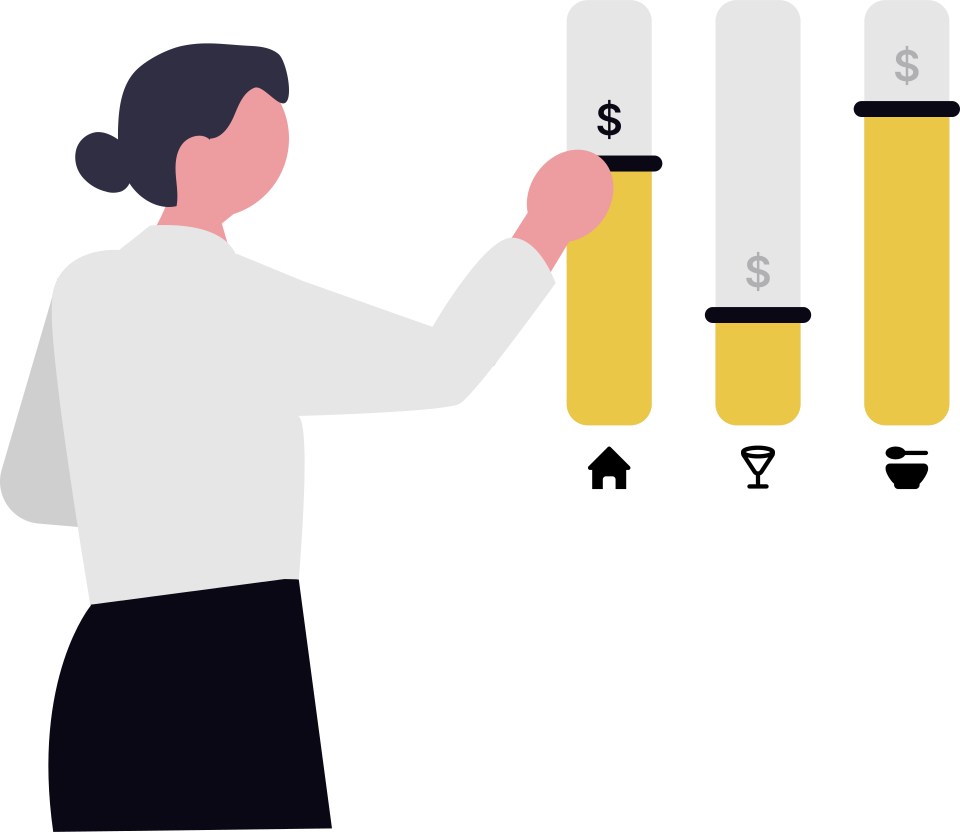
Every quarter, a report indicates the energy shared, consumed, and/or injected, as well as the savings achieved.
How does energy sharing work, concretely?
01
Members produce green electricity (often through photovoltaic panels).
02
The electricity they do not consume (their surplus) is shared with other members through the distribution network.
03
A distribution key assigns this energy to the consumers of the community.
04
Every quarter, a report indicates the energy shared, consumed, and/or injected, as well as the savings achieved.
A local supply chain
Why is it 20% cheaper?
Shared energy is sold through short circuits, directly between members, without the margins of intermediaries.
The price is set collectively: more advantageous than the standard offer for the consumer, more rewarding than the injection rate for the producer.

Individual vs Collective Self-Consumption
Criterion
Individual self-consumption
Energy community (collective)
Individual vs Collective Self-Consumption
Individual self-consumption
Energy community (collective)
A local supply chain
Why is it 20% cheaper?
Shared energy is sold through short circuits, directly between members, without the margins of intermediaries.
The price is set collectively: more advantageous than the standard offer for the consumer, more rewarding than the injection rate for the producer.
What about the legal framework in Belgium?
Energy communities are recognized by Belgian law.
The regulator varies by region: CWaPE in Wallonia, Brugel in Brussels. A facilitator can assist in the creation and management of the community.
Fill out the contact form and we will get back to you as soon as possible
FAQ
Here are some frequently asked questions on the subject
An energy community is a grouping of citizens, neighbors, businesses, or local authorities that produce, share, and consume together locally produced green electricity. Recognized by Belgian law, it aims for renewable, local, and cheaper energy while maintaining economic value within the territory.
Almost everyone: individuals, freelancers, businesses, and local authorities connected to the distribution network in the area concerned. You can participate as a consumer (you buy the shared energy), as a producer (you sell your surplus), or as a prosumer (both).
The producer members inject their surplus green electricity into the grid. A distribution key allocates it to the consumer members of the community. You continue to use the distribution network as usual; only the shared portion is billed at the community's advantageous rate. A quarterly statement details everything.
Yes. Energy sharing covers part of your consumption; for the rest, you maintain a traditional supply contract. You also keep your meter and your connection. The community serves as a complement, without interruption or disconnection.